

Permits, code, and approvals
Permits, code, and approvals affect what is required, what is reviewed, and how work must be sequenced. The goal is to plan around pathways, not be surprised by them.
What this pillar covers
This pillar covers the approval pathways and code-related obligations that shape what can proceed, what must be documented, and when work can move from one stage to the next. The articles focus on permit triggers, review sequencing, inspection dependencies, and the practical planning decisions that help avoid approval-related surprises.
Common failure modes this pillar helps prevent
- Assuming work can begin before the correct permit or review path is understood
- Designing around preferences instead of requirements that affect compliance
- Creating schedule plans that ignore review times, inspections, or hold points
- Discovering too late that a change triggers more documentation or coordination than expected
How to use the articles in this pillar
Use this pillar when approvals, code triggers, or inspection sequencing are likely to affect design direction or delivery timing. Start with the article that matches the kind of work you are planning, then use the others to understand how review pathways may affect the order of decisions.
Related Pillars
Use Feasibility when you still need to confirm whether the project can work under real constraints at all. Use Scope, schedule, and change control once the approval path is understood and the work needs to be documented clearly enough to price, plan, and execute.
Most Recent Post

Older Homes and Code Upgrades: When “Grandfathered” Assumptions Fail
Older homes do not become risky simply because they are old. They become risky when project decisions are made on the comforting but inaccurate idea that anything existing is automatically protected because it has “always been that way.” In renovation work,...
All Posts

Heritage constraints in Ottawa: how they affect scope, approvals, and sequencing
Heritage constraints are often misunderstood as a design-style issue. In practice, they are a project-governance issue. They can reshape what is realistic to build, what has to be retained or justified, which approvals are needed, and when key decisions have to be...

Permit-Ready Drawings: What Completeness Looks Like and Why it Reduces Resubmissions
Permit-ready drawings are not drawings that merely look polished. They are drawings that let a reviewer understand the proposed work, confirm the approval path, and see enough coordinated information that the file does not come back for avoidable clarification. When a...

Site Servicing Constraints: Grading, Drainage, and Access Issues That Change Feasibility
Site servicing constraints rarely attract attention early enough, even though they are often the reason a promising idea becomes more expensive, slower, or less buildable than expected. Owners understandably focus on layout, square footage, finishes, and approvals....

Occupancy Readiness and Closeout: Why Finished is Not the Same as Compliant
A project can look finished long before it is actually ready for occupancy or full closeout. Cabinets may be installed, walls may be painted, floors may be protected, and the space may feel effectively complete to the owner. That visual impression is often where...

Inspections That Matter Most: Checkpoints That Prevent Expensive Rework
Inspection problems rarely become expensive because an inspector is difficult. They become expensive because the project reaches a point where important work is about to disappear behind concrete, backfill, insulation, drywall, or finished surfaces before the right...

Code Triggers That Reshape Scope: Common Surprises and How to Surface Them Early
Code issues rarely expand scope because a project was badly intended. They usually expand scope because the real technical and legal implications of the work were never surfaced early enough. By the time they appear in permit review, engineering, or site discovery,...
Committee of Adjustment: When a Variance is Worth Pursuing and When it is Not
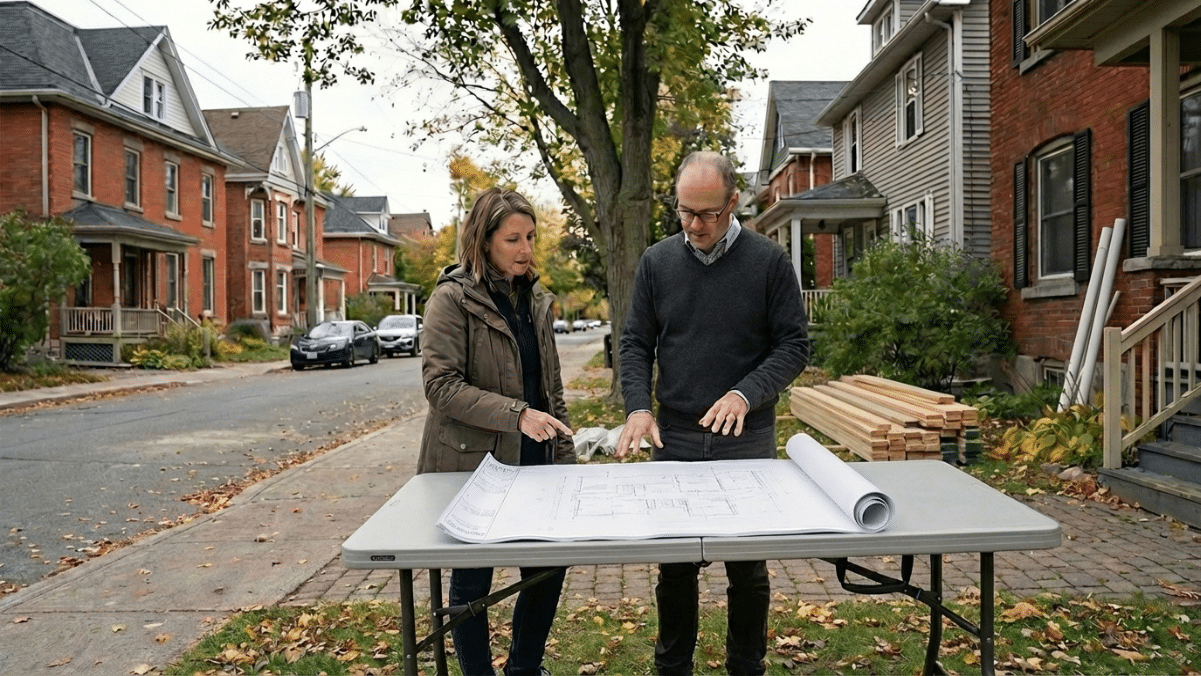
A variance is worth pursuing when the project is fundamentally sound, the relief is narrow and defensible, and the application can clearly satisfy the Planning Act tests. It is usually the wrong path when the proposal is trying to force a fundamentally non-compliant...

Permit pathway in Ottawa: what drives review timelines and resubmissions
In Ottawa, permit timelines are driven less by the City’s speed and more by how quickly a reviewer can confirm what you are building and that it meets the rules. When the submission set leaves intent, structure, life-safety, or zoning triggers open to interpretation,...

When You Need a Permit vs When You Do Not: The Risk of Guessing Wrong
The most expensive permit mistake is not pulling a permit when you need one. The close second is pulling the wrong permit, too late, after drawings, budgets, and schedules have already hardened. In Ottawa, both errors usually show up the same way: sudden delays,...

Zoning Constraints that Change Design: Setbacks, Height, Lot Coverage, Parking, and What Must be Understood Early
Zoning is not a paperwork step you deal with after you fall in love with a design. In Ottawa, the by-law rules around setbacks, height, lot coverage, and parking often define what is physically possible on a property long before drawings feel “real”. If those...

Renovation Permits in Ottawa: When You Need Them and What Changes The Timeline
In Ottawa, you usually need a building permit when your renovation changes structural elements, affects fire and life-safety separations, alters plumbing or HVAC systems, or modifies any component governed by the Ontario Building Code and administered locally through...