

Renovations and Additions
Renovations and additions succeed when scope is defined clearly, constraints are surfaced early, and decisions are sequenced to avoid rework and budget drift.
What this pillar covers
This pillar is organised around the decisions that most often control risk, cost, and sequencing. Articles in this pillar focus on practical constraints, documentation discipline, and fair ways to manage uncertainty.
Common failure modes this pillar helps prevent
- Underestimating the effect of existing conditions on cost, timing, or scope
- Treating addition work as straightforward when integration with the existing home is the harder problem
- Letting selections or clarifications drift until trades are already affected
- Moving forward without documentation that keeps renovation risk visible and manageable
How to use the articles in this pillar
Use this pillar when you are planning to alter, expand, or materially rework an existing home. Start with the article that matches the decision pressure you are facing now, then use the rest to tighten scope, sequence decisions properly, and reduce downstream surprises.
Related Pillars
Use Feasibility when the first question is whether the renovation or addition is workable on the property or within the existing structure. Use Ottawa building realities for local condition issues, and use Permits, code, and approvals when permit triggers or inspections will shape timing.
Most Recent Post

Second-Story Additions: What Drives Cost, Schedule, and Structural Complexity
Second-storey additions usually become more expensive and disruptive than owners expect for one reason: the project is not simply an upper-level room package placed on top of the existing house. It is a structural and sequencing problem that reaches through the roof,...
All Posts

Additions Feasibility: Setbacks, Servicing, Structure, and Budget Direction
Home additions fail less often because construction is impossible than because the project was treated as buildable before the real constraints were tested. Owners can see the backyard, imagine the extra room, and assume the path forward is mainly a design exercise....

Renovating Older Ottawa Homes: Electrical, Asbestos, and Structural Unknowns
Older Ottawa homes can be excellent renovation candidates, but they should never be priced or designed as if the visible surfaces are telling the whole story. The real risk usually sits behind finishes: legacy electrical work, hazardous materials that affect access...

Renovation Pre-Construction: Coordination That Prevents Rework
Renovation projects rarely require rework because one person made an obviously careless decision. They require rework because decisions that depended on each other were made in isolation. Scope moved ahead before field conditions were tested, selections stayed open...

Living Through a Renovation: Planning That Reduces Disruption
Living through a renovation can be workable, but only when the project is planned around the realities of daily life rather than the hope that people will simply adapt. Disruption is not reduced by good intentions. It is reduced by sequencing, temporary-function...

Renovation Quality Control: Inspection Points That Reduce Rework
Renovation quality control is often misunderstood as something that happens near the end of the job, when finishes are visible and deficiencies can be listed. In serious renovation work, quality control starts much earlier. It happens at the moments when framing,...

Renovation Procurement Planning: How Long-lead Items Shape the Work Plan
Long-lead items do not merely affect when products arrive. In a serious renovation, they influence when design decisions must stop moving, when rough openings can be trusted, when trades can lock their work, and when the overall sequence becomes stable enough to price...
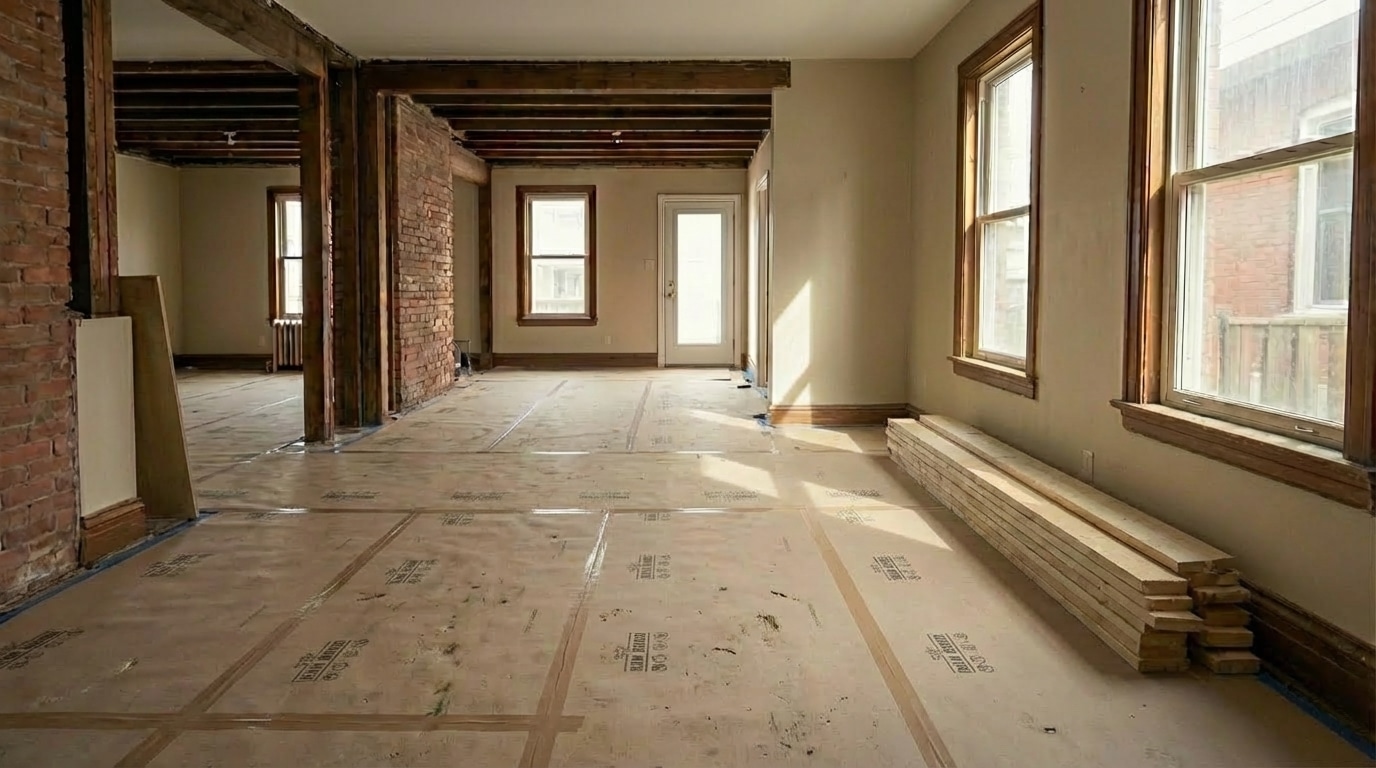
Unknown Conditions in Older Homes: How to Plan for Suprises Without Blowing the Budget
Unknown conditions in older homes do not wreck budgets simply because they exist. They become expensive when the project is designed, priced, or emotionally approved as though the hidden parts of the house are already understood. By the time demolition, selective...

Renovation Feasibility: How to Confirm Viability Before Design Decisions Lock In
Renovation projects usually go off the rails for one reason: decisions get locked in before the real constraints are understood. Feasibility is the step that keeps that from happening by testing whether your goals are buildable, approvable, and practical before...

Renovation Scheduling: Sequencing, Long-lead Items, and Decision Timing That Prevents Delays
A renovation schedule is not a date on a calendar. It is a chain of dependencies: approvals, decisions, material lead times, trade sequencing, inspections, and the realities of working inside an existing home. When one link slips, the knock-on effects are usually...

Renovation Change Control Process: What Fair Looks Like For Both Sides
A change order is not a failure. It is a normal part of renovating an existing home, where some conditions only become clear once walls or floors are opened and where decisions can evolve as the space takes shape. What matters is whether there is a clear, fair way to...

Renovation Closeout: Deficiencies, Documentation, and Warranty Readiness Done Properly
Closeout is the part of a renovation most homeowners underestimate. It is not just a walk-through at the end. It is the final controlled handover that turns a worksite into a finished home you can live in with confidence. A proper closeout does three things. It...
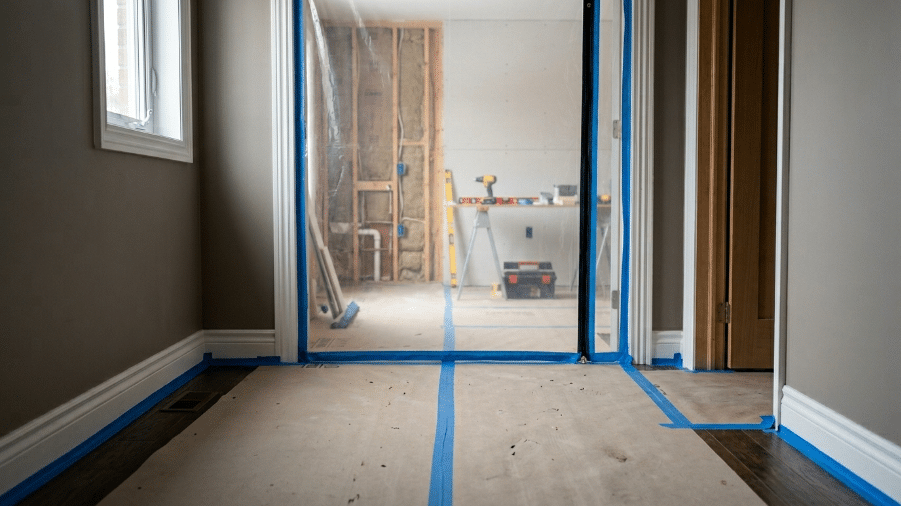
Renovation Scope Definition: How to Get Room-by-Room Clarity Before Pricing
Renovation budgets and schedules do not fall apart because a contractor cannot do the work. They fall apart because the work was never defined in a way that could be priced and sequenced with confidence. Scope definition is the step that turns a renovation idea into a...